
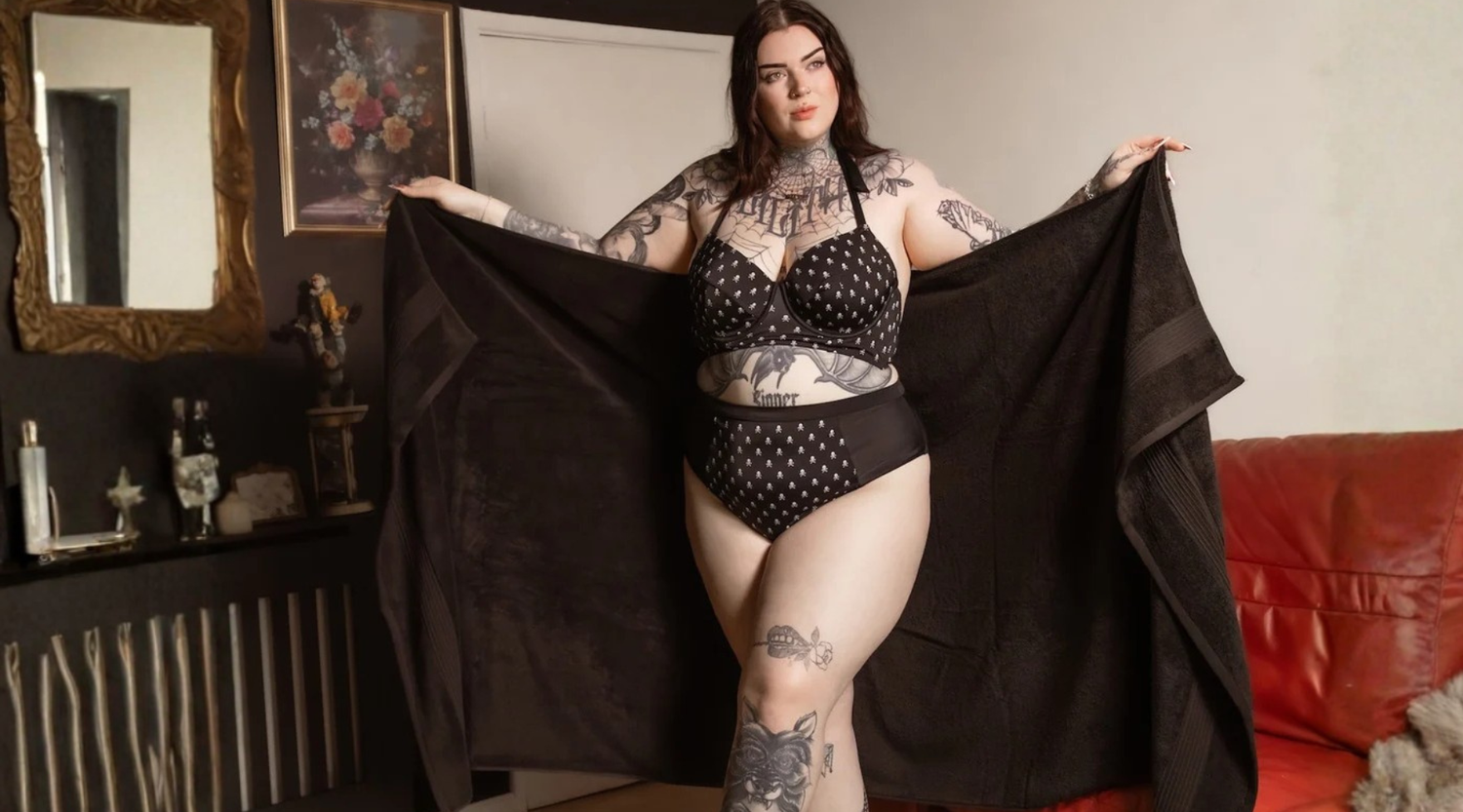
The “perfect body” is a concept that has echoed through the centuries. Long before social media or television existed, people were already comparing themselves to arbitrary ideals, actively trying to fit in.
Yet, a more in-depth look into history reveals that the "ideal body shape" has been less of a biological fact and more of a trend with an expiration date. With societal expectations shifting every few decades, it begs the question: if perfection is so ever-changing, is it even real

Chasing Shadows: How History Redefines the Body
Throughout fashion history, society has continually rewritten the rules about how much space a body is allowed to take up. During the Renaissance, beauty was found in soft curves and abundance, celebrated as a symbol of health. Yet the Victorian era forced a radical shift toward restriction, with tight corsets used to artificially reshape the female form.
By the Roaring ’20s, the pendulum swung to the exact opposite: women rejected those restrictive curves, binding their chests to achieve a sleek, boyish figure. Decades later, the heroin chic era of the nineties glorified extreme, fragile thinness, only for the 2010s to aggressively pivot back to celebrating dramatic curves and exaggerated hourglass figures.
Notice a pattern here? History constantly repeats itself, exposing the absurdity of an industry where a natural feature is praised one day and labelled a flaw the next. These standards are just a reflection of the culture at that moment, never the truth of who we are.

The Mental Cost of the "Ideal"
Social media has made it effortless for current body standards to be paraded and seen at every turn. This creates an artificial bubble of perfection, where algorithms and curated feeds constantly dictate what is trending and what is not. This persistent exposure triggers a psychological phenomenon known as social conditioning, a process where society quietly shapes our deepest beliefs, desires, and behaviours through constant exposure to cultural norms.
When we are conditioned to view our bodies as exhibitions in glass cases, meant to be analysed and judged rather than homes to be lived in, it is no wonder that profound insecurities creep in. Reclaiming our power begins with a firm decision to stop treating our skin like a lifetime project that requires constant fixing. It means finally ending the exhausting cycle of trying to force our natural selves into temporary, manufactured moulds.

Rewriting the Narrative: Embracing True Self-Love
We need to stop waiting for history or fashion trends to give us permission to feel good. True happiness means stepping outside this exhausting cycle entirely and embracing genuine self-love.
Our bodies are the beautiful canvas, not the clothes. We can actively change the existing narrative by curating our digital spaces to filter out toxic ideals, celebrating diversity online, and demanding inclusive fashion by supporting brands that design for all shapes.
It is time to stop trying to fit into restrictive garments and start making clothes fit real, human beings instead. By shifting our daily focus from fixing flaws to honouring our natural forms, we decide that our worth is non-negotiable, exactly as we are today.
In the search for the ideal, the great price required is the freedom of being yourself. While trends will continue to shift and fade like passing seasons, choosing to honour your natural self remains a permanent, unchanging truth. In a world obsessed with fleeting ideals, remember that the most timeless, beautiful thing you can ever wear is your own peace!
Geschreven door Iulia

Hoi, ik ben Iulia!
Een psychologie-schrijfster die met haar dagboek de wereld trotseert. Ik schrijf om de stille momenten, de tussenruimtes en de kanten van het leven die niet altijd in gesprekken aan bod komen, te doorgronden. Mijn missie is om mensen te helpen bij hun emotionele reis naar zelfliefde, zodat ze zich prettig voelen in hun eigen vel en geborgenheid vinden op hun meest kwetsbare plekjes. Woorden zijn mijn veilige haven, en ik hoop dat mijn woorden de kracht hebben om jou dat gevoel van geborgenheid te geven.